
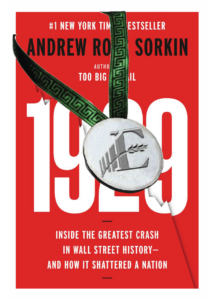
 1929: Inside the Greatest Crash in Wall Street History – And How It Shattered a Nation
by: Andrew Ross Sorkin
Reviewed by: Ralph Bender, MBA, CFP®
Medal Rating: Silver Medal
Andrew Ross Sorkin’s 1929: Inside the Greatest Crash in Wall Street History – And How It Shattered a Nation reads more like a James Michener tale than an economic commentary — and that’s a compliment. Sorkin brings the Roaring Twenties to life through the individuals who lived it: those winning big in the markets and those in power who enabled their abusive, yet legal, tactics.
I’ve long felt that our industry is one of the most heavily regulated in the country, and the maneuvers these power brokers pulled are exactly why those protections exist. Unfortunately, bad actors still find ways to swindle the public today — but they have to be a lot craftier than what was happening openly in the 1920s.
The big lesson isn’t shocking: abusive use of leverage caused most of the damage. It always does. Leverage is a two-edged sword — it can build wealth, and it can destroy it. We saw it in the Great Depression, and we saw it again in the Great Financial Crisis of the early 2000s. Both events also shared a failed or non-existent regulatory environment.
What makes today’s markets feel reminiscent of the 1920s is the mass involvement of everyday Americans. But there’s a critical difference: the majority of families invested in the market today are doing so through qualified retirement plans, which prohibit leverage entirely. And those investing directly face serious limits on how much leverage they can employ. That’s not nothing.
Sorkin does a fine job explaining the excesses and painting vivid portraits of those who both benefited from and were crushed by them. The book isn’t really about the regulatory reforms that followed under Roosevelt — but he does give the reader a sense of the fallout and what changed.
One fascinating detail: many believed the Federal Reserve, then in its infancy having been formed in 1913 as a subsidiary of the Treasury Department, could have prevented the crisis. But it was a bank without teeth — subject to manipulation by its own board members and anything but independent. That concept of Fed independence we talk about so much today didn’t truly take hold until the Treasury-Fed Accord of 1951.
TRACKING #1087815